


اجزای بطری عطر شیشه ای توضیح داده شده: پمپ، گردن، درپوش و موارد دیگر
اخبار صنایع-یک کامل بطری عطر شیشه ای از پنج بخش ضروری که با هم کار می کنند ساخته شده است: بدنه شیشه ای، روکش گردن، پمپ اتومایزر یا لوله غوطه وری، محرک یا سر اسپری و درپوش یا یقه. هر کدام از اینها اجزای بطری عطر عملکرد، الزامات تحمل و گزینه های مواد خاص خود را دارد و تناسب بین آنها تعیین می کند که آیا بطری تمام شده به طور یکنواخت اسپری می شود، به درستی مهر و موم می شود و بدون نشت در حمل و نقل زنده می ماند. این راهنما هر قسمت را با جزئیات، انتخابهای تولید پشت هر کدام، و تصمیمهای عملی که برندها هنگام تهیه اجزای یک خط عطر جدید با آن مواجه میشوند، توضیح میدهد.
چرا انتخاب جزء مهمتر از شکل بطری است؟
اکثر خریداران ابتدا بر روی شکل ظاهری a تمرکز می کنند بطری عطر شیشه ای ، اما اجزای پنهان در داخل گردن هستند که عملکرد را تعیین می کنند. یک بطری با شکل زیبا با واشر پمپ ناهماهنگ همچنان در حین حمل و نقل نشت می کند. یک کلاه خیره کننده که محکم به یقه چین نمی خورد، پس از چند هفته دست زدن، شل می شود. عطر یک محصول مایع است که هر بار که اتومایزر تحت فشار قرار می گیرد، بنابراین سطح گردن، کشش فنر پمپ، اندازه دهانه محرک و واشر آب بندی همه باید به عنوان یک سیستم مهندسی شوند تا اینکه جداگانه انتخاب شوند.
عدم تطابق اجزاء یکی از شایع ترین دلایل بازگشت عطر در بسته بندی عطر است. پمپی که برای پرداخت گردن 13 میلیمتری طراحی شده است، حتی اگر از نظر فیزیکی پیچ شود، به درستی روی گردن 15 میلیمتری آببندی نمیشود، زیرا فشردهسازی واشر تغییر میکند. خریدارانی که شیشه و قطعات را از کارخانههای مختلف تهیه میکنند، همیشه باید قبل از شروع به تولید کامل، نمونه مناسب را درخواست کنند.
این یک نتیجه طراحی نیز دارد. هنگامی که یک نام تجاری در قالب بطری قفل می شود، هر نوع پر کردن مجدد، نسخه محدود یا نسخه در اندازه سفر باید با همان هندسه گردن مهندسی شود. تغییر سطح گردن بعداً به معنای ابزار مجدد قالب شیشه ای به طور کامل است که گران و کند است. به همین دلیل است که توسعه دهندگان باتجربه بسته بندی زمان بیشتری را صرف بررسی نقشه های اجزا می کنند تا بررسی رندرهای بطری در مرحله تایید.
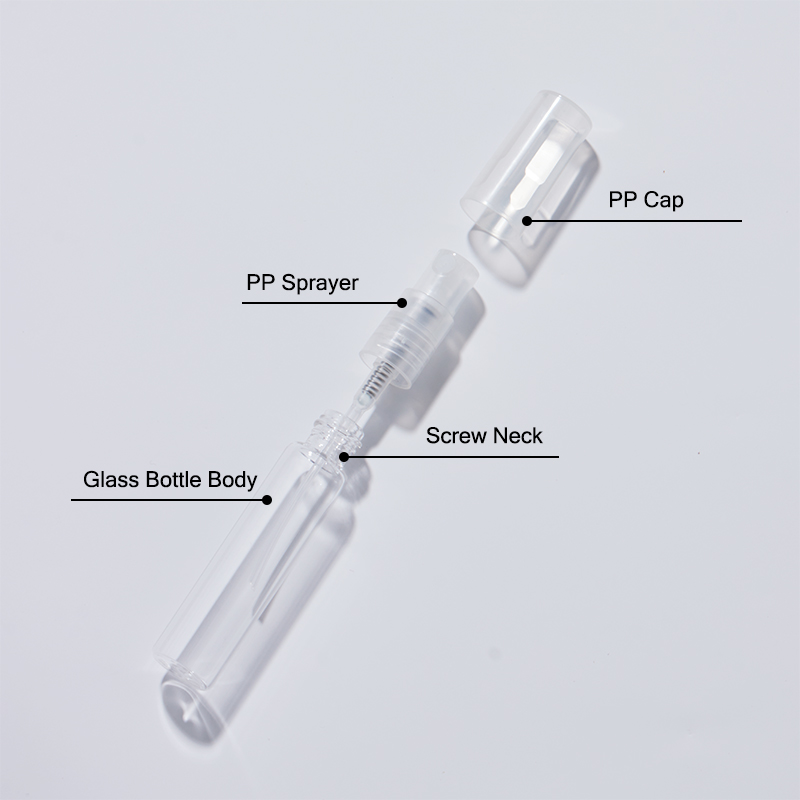
بدنه شیشه ای: مواد، ضخامت دیوار و روش شکل دهی
بدن بزرگترین و سنگینترین اجزای بدن است بطری عطر شیشه ای ، و معمولاً از طریق یکی از دو فرآیند شکل دهی ساخته می شود.
شکل دهی فشار و ضربه
شیشه مذاب ابتدا با یک پیستون به شکل خشن فشرده می شود، سپس به شکل نهایی خود دمیده می شود. این روش بطریهای سنگینتر و دیوارهای ضخیمتر را با ابعاد بسیار یکنواخت تولید میکند، به همین دلیل است که برای خطوط عطر ممتاز و خاص که خود بطری بخشی از تجربه لوکس است، مورد علاقه است.
شکل گیری ضربه و ضربه
شیشه دو بار دمیده میشود، ابتدا به یک پاریسون خشن و سپس در قالب نهایی. این بطریهای سبکتر را با هزینه مواد کمتر تولید میکند، و آن را برای خطوط عطر و بوی بدن در بازار انبوه رایج میکند که در آن وزن و هزینه واحد حمل و نقل بیشتر از ضخامت شیشه مهم است.
انواع شیشه های رایج مورد استفاده در بطری های عطر
- لیوان سودا آهک: پرمصرف ترین نوع، مقرون به صرفه، آسان برای تزئین با فراستینگ یا پوشش.
- شیشه با شفافیت کریستالی با محتوای شفافیت بالاتر: برای بطری های درجه یک که نیاز به درخشش بیشتر و انکسار نور دارند استفاده می شود.
- ترکیبات شیشه ای بازیافتی یا پس از مصرف: به طور فزاینده ای توسط مارک هایی که به دنبال موقعیت پایداری هستند درخواست می شود.
- شیشه های رنگی و رنگی: روکش های کهربایی، کبالت یا دودی که برای محافظت از فرمول های حساس به نور و تقویت هویت برند استفاده می شود.
ضخامت دیوار معمولاً بسته به اندازه بطری و فرآیند تزئینی که پس از آن برنامه ریزی شده است، از حدود 1.2 میلی متر تا 3 میلی متر متغیر است، زیرا پوشش اسپری، آبکاری الکتریکی و حکاکی اسیدی همگی به سطح شیشه فشار می آورند. دیوارههای نازکتر وزن و هزینه حمل و نقل را کاهش میدهند، اما زمانی که بعداً در معرض تغییرات دمایی ناگهانی در طول متالیزاسیون قرار میگیرند، بیشتر مستعد ترکهای تنشی هستند.
Neck Finish: رابط بین شیشه و سخت افزار
روکش گردن لبهای است که دقیقاً در بالای بطری شکل میگیرد، جایی که پمپ، یقه چین یا درپوش پیچ وصل میشود. این احتمالاً از نظر فنی سختترین بخش کل بطری است زیرا تلورانسها در اینجا در کسری از میلیمتر اندازهگیری میشوند. دو سیستم غالب در صنعت عطرسازی عبارتند از FEA 15 روکش چین دار و روکش استاندارد رزوه پیچ، که بیشتر در اندازه های 13 میلی متر، 15 میلی متر، 18 میلی متر، 20 میلی متر و 24 میلی متر دیده می شود.
| نوع پایان گردن | قطر معمولی | روش بستن |
|---|---|---|
| FEA 15 Crimp | 15 میلی متر | یقه فلزی روی پمپ فشرده شده است |
| رزوه پیچ 13 میلی متر | 13 میلی متر | پمپ رزوه ای یا کلاهک غلتکی |
| رزوه پیچ 18 میلی متر | 18 میلی متر | پمپ رزوه ای یا کلاهک دیسکی |
| Snap-On Neck | متفاوت است | کلاه مناسب فشاری، بدون نخ |
خریداران باید همیشه قبل از سفارش پمپهای جدا از شیشه، سازگاری با پوشش گردن را تأیید کنند، زیرا یک تغییر کوچک در قطر سوراخ میتواند باعث شل شدن محفظه پلاستیکی پمپ در داخل گردن شود که در نهایت باعث شکسته شدن مهر و موم میشود.
پمپ اتمیزر: مکانیسم اسپری چگونه کار می کند
پمپ قلب مکانیکی یک بطری عطر با فرمت اسپری است. فشار دادن محرک یک پیستون کوچک فنری را فشرده می کند، مایع را از طریق لوله شیب به سمت بالا می کشد و آن را از طریق یک ریز روزنه در محرک برای ایجاد یک غبار ریز فشار می دهد. یک پمپ عطر معمولی بین 0.10 میلی لیتر و 0.20 میلی لیتر در هر حرکت تولید می کند، به همین دلیل است که یک بطری 50 میلی لیتری معمولاً از چند صد اسپری قبل از خشک شدن پشتیبانی می کند.
قطعات هسته در داخل یک پمپ استاندارد
- مسکن - پوسته پلاستیکی بیرونی که مکانیسم را نگه می دارد و به پایان گردن متصل می شود.
- واشر - یک حلقه لاستیکی یا سیلیکونی که از نشت مایع در اطراف پیستون جلوگیری می کند.
- بهار - معمولاً از جنس استنلس استیل، مقاومت تحریک و سرعت برگشت را کنترل می کند.
- ساقه و پیستون - قطعات متحرکی که با هر فشار دادن مایع را به سمت بالا می کشند.
- لوله شیب - یک نی پلاستیکی که به ته بطری می رسد تا مایع باقی مانده را بیرون بکشد.
پمپهای خوشبوکننده سطح بالاتر از یک فرول فلزی بهجای محفظه پیچ پلاستیکی استفاده میکنند، زیرا چینخوردگی باعث ایجاد مهر و موم محکمتر و دائمیتر میشود که در برابر شل شدن در اثر ارتعاش در حین حمل و نقل هوایی یا حملونقل در مسافتهای طولانی مقاومت میکند.
خروجی پمپ، آزمایش اسپری، و ثبات دوز
سازگاری بین محرک ها یکی از نشانگرهای کیفیت آرام یک پمپ خوب است. در طول توسعه، مهندسان بسته بندی یک بطری را قبل و بعد از تعداد مشخصی پرس وزن می کنند تا تأیید کنند که دوز در محدوده قابل قبولی باقی می ماند، معمولاً در عرض چند درصد از اسپری تا اسپری. پمپی که به طور متناقض توزیع میشود میتواند عطر را ضعیفتر یا قویتر از آنچه در نظر گرفته شده است، کند، که بر نحوه درک مشتری از محصول حتی زمانی که فرمول آن تغییر نکرده است، تأثیر میگذارد.
الگوی اسپری جدا از دوز آزمایش می شود. یک محرک که به خوبی تنظیم شده باشد، یک غبار متقارن و مخروطی شکل تولید می کند تا یک جریان یا یک پاشش ناهموار. الگوی پاشش ضعیف معمولاً به جای خود بدنه پمپ، به جای درج دهانه فرسوده یا نامناسب در داخل محرک بازمیگردد، به همین دلیل است که گاهی اوقات در هنگام عیبیابی، محرکها به طور مستقل تعویض میشوند.
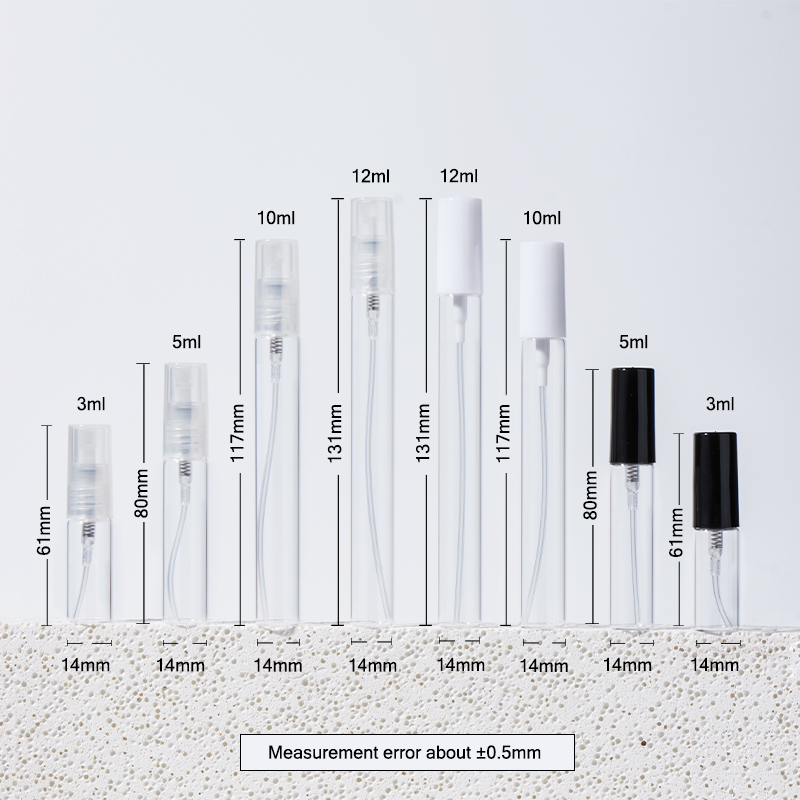
محرک و نازل: کنترل الگوی اسپری
محرک دکمه ای است که توسط کاربر فشار داده می شود و قطر دهانه داخلی آن به طور مستقیم اندازه قطرات و عرض اسپری را کنترل می کند. دهانه کوچکتر مه ریزتر و یکنواختتری تولید می کند که عموماً برای عطرهای خوب ترجیح داده می شود، در حالی که دهانه کمی بزرگتر در مه های بدن و فرمت های با غلظت پایین تر که اسپری گسترده تر قابل قبول است رایج است.
محرکها معمولاً از ABS یا پلاستیک سفت و سخت مشابه با قالبگیری تزریقی ساخته میشوند و میتوان آنها را روی سطح ساخت تا از نظر رنگ و بافت با درب بطری مطابقت داشته باشد. برخی از خطوط پریمیوم از محرکهای فلزی استفاده میکنند تا دکمه سرد و متراکم شود و با وزن کلاهک آلیاژ روی مطابقت داشته باشد.
طول لوله و زهکشی بطری
یکی از جزئیاتی که اغلب نادیده گرفته می شود، طول لوله است. اگر لوله حتی چند میلی متر بیش از حد طولانی یا خیلی کوتاه بریده شود، زمانی که پمپ به طور موثر مایع را متوقف کند، مقدار قابل توجهی از عطر در ته بطری باقی می ماند. تولیدکنندگان با کیفیت، لوله فرو بردن را به صورت سفارشی برش می دهند تا با ارتفاع داخلی هر قالب بطری خاص مطابقت داشته باشد، ضخامت پایه و هر سوراخ تزئینی در پایین شیشه را در نظر بگیرید.
کلاه، یقه و روپوش تزئینی
هنگامی که پمپ در جای خود قرار می گیرد، درپوش قابل مشاهده روی محرک اضافه می شود تا از گرد و غبار و فشارهای تصادفی محافظت کند و طراحی بصری بطری را تکمیل کند. روکش ها از طیف وسیعی از مواد ساخته می شوند که هر کدام ظاهر و مشخصات هزینه متفاوتی را ارائه می دهند.
| مواد | نگاه کنید و احساس کنید | مورد استفاده معمولی |
|---|---|---|
| آلیاژ روی | دستی سنگین، فلزی، درجه یک | خطوط عطر لوکس و خاص |
| پلاستیک ABS با آبکاری | روکش فلزی سبک، آینه ای یا مات | خطوط میان رده و انبوه |
| روکش چوب یا بامبو | بافت طبیعی، روکش مات | برندهایی با تمرکز بر زیبایی و پایداری |
| روپوش شیشه ای | منسجم با بدنه بطری، سنگین تر | نسخه های طراح و کلکسیونی |
حلقه فلزی یا پلاستیکی که مستقیماً در زیر کلاه قرار دارد، که اغلب یقه نامیده می شود، درز چین را پنهان می کند و ظاهری کامل به گردن می بخشد. یقه ها معمولاً به طور جداگانه تولید می شوند و می توانند در رنگ های طلایی، نقره ای، رزگلد یا مشکی مات آبکاری شوند تا با پالت برند مطابقت داشته باشند.
اجزای آب بندی: واشر، واشر، و نوارهای دستکاری
فراتر از واشر داخلی پمپ، بیشتر بطری های تمام شده شامل یک بند کوچک یا مهر و موم غیرقابل دستکاری است که در اطراف محل اتصال گردن و کلاهک پیچیده شده است. این معمولاً یک غلاف نازک PVC یا PETG است که هنگام اعمال گرما محکم جمع می شود و به مشتریان نشان می دهد بطری باز نشده است.
برخی از برندها همچنین یک واشر سیلیکونی ثانویه را در زیر یقه چین اضافه می کنند تا یک لایه اضافی از محافظت در برابر نشت در حین حمل و نقل هوایی داشته باشد، جایی که تغییرات فشار کابین می تواند مایع را از یک مهر و موم حاشیه ای عبور دهد. این ماشین لباسشویی ارزان است، اما تأثیر بزرگی در کاهش شکایات مشتریان مربوط به نشتی در حمل و نقل از راه دور دارد.
تکنیک های دکوراسیون به کار رفته در بدنه شیشه ای
دکوراسیون از نظر فنی یک فرآیند تکمیلی است تا یک جزء فیزیکی، اما به شدت تأثیر می گذارد که کدام اجزا می توانند با بطری جفت شوند.
- چاپ سیلک - برای لوگوها و متن هایی که مستقیماً روی سطح شیشه اعمال می شود استفاده می شود.
- پوشش اسپری - پوشش های رنگی جامد یا گرادیان را در کل بطری اعمال می کند.
- اسید اچینگ - یک بافت مات و مات روی شیشه ایجاد می کند.
- متالیزاسیون در خلاء - ظاهری آینه ای یا فلزی براش ایجاد می کند.
- مهر زنی داغ - لهجه های فویل را برای آرم ها یا خطوط تزئینی اضافه می کند.
بطریهایی که تحت متالیزاسیون خلاء قرار میگیرند، معمولاً به دیوارههای شیشهای کمی ضخیمتر نیاز دارند تا در برابر گرمای محفظه پوشش بدون تاب مقاومت کنند، که قبل از نهایی کردن آثار هنری، ارزش تأیید با کارخانه شیشه را دارد.
ملاحظات پایداری در انتخاب مؤلفه
شیشه ذاتا قابل بازیافت است و کیفیت خود را از طریق ذوب مکرر از دست نمی دهد، که آن را در مقایسه با بسیاری از جایگزین های پلاستیکی، از نقطه نظر پایداری به یک انتخاب مواد قوی تبدیل می کند. با این حال، اجزای کوچکتر متصل به یک بطری، مانند محفظه پمپ، محرک، و باند جمع شدگی، معمولاً از پلاستیک های مخلوط ساخته می شوند که جدا کردن و بازیافت آنها در پایان عمر سخت تر است.
برندهایی که هدفشان کاهش اثرات زیست محیطی است، اغلب با سیستمهای بطری قابل شارژ شروع میشوند، جایی که بدنه شیشهای نگهداری میشود و فقط یک کیسه داخلی کوچکتر یا کارتریج جایگزین میشود، یا به طرحهای پمپ تک مادهای تغییر میکنند که از مخلوط کردن فنرهای فلزی با محفظههای پلاستیکی اجتناب میکنند تا کل جزء با هم راحتتر بازیافت شود.
عوامل هزینه در اجزای مختلف
هزینه قطعات به ندرت به طور مساوی در یک بطری تمام شده توزیع می شود. جدول زیر وزن هزینه نسبی هر دسته از اجزاء را در مقایسه با سایرین بر اساس پروژه های معمول بسته بندی عطرهای میان رده نشان می دهد.
| جزء | وزن هزینه نسبی | محرک اصلی هزینه |
|---|---|---|
| بدنه شیشه ای | بالا | وزن شیشه و پیچیدگی قالب |
| مکانیزم پمپ | متوسط به بالا | قطعات دقیق و مواد واشر |
| کلاه و یقه | متوسط | نوع آبکاری و فلز در مقابل پلاستیک |
| پایان دکوراسیون | کم تا متوسط | تعداد رنگ ها و پاس های پوشش |
| لوله شیب and shrink band | کم | قطعات پلاستیکی ساده، حداقل کار |
مشکلات اجزای متداول و نحوه عیب یابی آنها
| علامت | مولفه احتمالی | رفع مشترک |
|---|---|---|
| نشت مایع از اطراف گردن | واشر or crimp collar | واشر را تعویض کنید، سفتی چین را بررسی کنید |
| اسپری ضعیف یا ناهموار | دهانه محرک | محرک را تعویض کنید، انسداد را بررسی کنید |
| در حالی که مایع باقی می ماند، بطری پاشش را متوقف می کند | لوله شیب length | برای اصلاح ارتفاع داخلی لوله را دوباره برش دهید |
| درپوش بعد از چند هفته شل می شود | کشش پرس یقه | فشار دستگاه پرس را تنظیم کنید |
| ظاهر شیشه ای ابری در طول زمان | دوام شیمیایی شیشه | شیشه منبع با ترکیب پایدار |
انتخاب ترکیب مناسب از اجزا برای خط تولید
برندهایی که یک خط عطر جدید تولید میکنند معمولاً هنگام تعیین اجزاء، چهار فاکتور را وزن میکنند: حجم پر کردن، ویسکوزیته فرمول، نقطه قیمت هدف و روش ارسال. یک ادو پرفیوم سنگینتر با محتوای روغن ممکن است برای جلوگیری از گرفتگی به سوراخ لولهای کمی پهنتر نیاز داشته باشد، در حالی که یک ادو تویلت سبکتر به طور مداوم از سوراخ استاندارد اسپری میکند. محموله های حمل و نقل هوایی از پمپ های مهر و موم شده نسبت به پمپ های رزوه دار بهره می برند، زیرا چین و چروک در برابر شل شدن در اثر لرزش و تغییر فشار بسیار بهتر از رزوه ها به تنهایی مقاومت می کند.
چک لیست عملی قبل از ثبت سفارش انبوه
- اطمینان حاصل کنید که قطر پایان گردن دقیقاً با مشخصات تامین کننده پمپ یا کلاهک مطابقت دارد.
- قبل از تایید تولید انبوه، نمونه آزمایش نشت پر شده با آب یا الکل را درخواست کنید و به مدت 24 ساعت تکان دهید.
- طول لوله فرو بردن را برای قالب بطری خاص خود محاسبه کنید، نه طول عمومی.
- سازگاری مواد واشر با درصد الکل فرمول خود را بررسی کنید، زیرا برخی از لاستیک ها با محتوای الکل بالا در طول زمان تجزیه می شوند.
- رنگ آبکاری یقه و کلاه را زیر نور طبیعی، نه تنها در نور نمایشگاه کارخانه، هماهنگ کنید.
- آزمایش سقوط را روی بطری کاملاً مونتاژ شده انجام دهید تا اطمینان حاصل کنید که درب و یقه هنگام ضربه از هم جدا نمی شوند.
کار با تامین کنندگان: کارخانه های شیشه در مقابل متخصصان قطعات
کارخانه های شیشه و تولیدکنندگان قطعات اغلب مشاغل جداگانه ای هستند، حتی زمانی که یک شرکت تجاری یک بطری را به عنوان یک بسته کامل ارائه می دهد. درک این تقسیم به خریداران کمک می کند تا در حین منبع یابی سوالات بهتری بپرسند.
کارخانه های شیشه در طراحی قالب، شکل دهی، بازپخت و تزئین سطح تخصص دارند. متخصصان قطعات بر روی مهندسی پمپ، قالبگیری تزریقی قطعات پلاستیکی، مهر زنی فلزی برای کلاهکها و یقهها و مونتاژ تمرکز میکنند. هنگامی که هر دو طرف به خوبی هماهنگ شوند، خریداران یک بطری کاملاً مونتاژ شده را برای پر کردن دریافت می کنند. زمانی که آنها هماهنگ نباشند، تلرانس های ناهماهنگ و کنترل کیفیت ناهماهنگ بین دو طرف، مشکل خریدار برای حل می شود.
پرسیدن مستقیم از یک تامین کننده که آیا پمپ، کلاهک و شیشه از یک گروه تولیدی یا از پیمانکاران فرعی جداگانه می آیند، یکی از مفیدترین سؤالات واجد شرایط در طول گفتگوهای اولیه منبع یابی است.
سوالات متداول
اجزای اصلی بطری عطر شیشه ای چیست؟
اجزای اصلی بدنه شیشه ای، روکش گردن، پمپ اتومایزر با واشر داخلی و فنر، لوله غوطه وری، محرک یا نازل اسپری و درپوش یا یقه بیرونی هستند. برخی از بطری ها همچنین دارای یک نوار جمع شدگی آشکار به عنوان جزء نهایی هستند.
یقه چین روی شیشه عطر چه کاربردهایی دارد؟
یقه چین یک حلقه فلزی نازک است که به طور مکانیکی در اطراف محفظه پمپ و قسمت انتهایی بطری فشرده می شود، پمپ را به طور دائم در جای خود قفل می کند و یک مهر و موم محکم را تشکیل می دهد که در هنگام جابجایی و حمل و نقل در برابر شل شدن مقاومت می کند.
چرا برخی از شیشه های عطر در حین حمل و نقل نشت می کنند؟
نشتیها معمولاً به عدم تطابق سطح گردن و اندازه پمپ، یک واشر فرسوده یا با کیفیت پایین، یا یک چین خوردگی شل که به اندازه کافی فشرده نشده است، بازمیگردد. تغییرات فشار هوا در طول حمل و نقل می تواند یک مهر و موم حاشیه ای را در معرض دید قرار دهد که در شرایط عادی اتاق خوب به نظر می رسید.
یک بطری معمولی چند اسپری می دهد؟
یک بطری 50 میلیلیتری معمولاً با یک اندازه فعالسازی استاندارد تقریباً 0.10 میلیلیتر تا 0.20 میلیلیتر در هر پرس، چندین صد اسپری قابل استفاده ارائه میکند، اگرچه تعداد دقیق آن به کالیبراسیون پمپ و میزان مایعی که لوله غوطهور میتواند به طور کامل از پایه بطری بکشد بستگی دارد.
آیا اجزای بطری عطر را می توان جدا از شیشه سفارشی کرد؟
بله، پمپ ها، درپوش ها و یقه ها اغلب از سازندگان قطعات تخصصی جدا از کارخانه شیشه تهیه می شوند. این به برندها اجازه میدهد تا یک شکل بطری منحصربهفرد را با یک پوشش خاص ترکیب کنند، اما تأیید تناسب بین تامینکنندگان را به یک مرحله ضروری قبل از تولید انبوه تبدیل میکند.
چه چیزی باعث کدر شدن یا مه آلود شدن شیشه در طول زمان می شود؟
ابری که گاهی بیماری شیشه نامیده میشود، زمانی ایجاد میشود که شیشهای با دوام شیمیایی ضعیف در معرض رطوبت یا مواد خاصی از فرمول در مدت طولانی قرار گیرد. انتخاب شیشه با ترکیب پایدار و شرایط نگهداری مناسب این خطر را به حداقل می رساند.
چرا فشار دادن برخی از پمپ ها سخت تر از سایرین است؟
مقاومت تحریک تا حد زیادی توسط نرخ فنر در داخل محفظه پمپ کنترل می شود. فنر سفتتر احساس فشار بیشتر و عمدیتری میدهد، در حالی که فنر نرمتر آسانتر عمل میکند اما میتواند دوز ثابت خود را زودتر با استفاده زیاد فرسوده کند.
بهتر است پمپ رزوه ای را انتخاب کنید یا پمپ چین دار؟
پمپ های چین دار به طور کلی یک مهر و موم ماندگارتر و مقاوم در برابر لرزش ایجاد می کنند و انتخاب استاندارد برای عطرهای خوب هستند. پمپهای رزوهدار راحتتر برداشته و تعویض میشوند، که باعث میشود در بطریهای قابل شارژ مجدد یا با فرمت مسافرتی رایجتر شوند.
آیا کلاه های سنگین تر بر درک یک عطر توسط مشتریان تأثیر می گذارد؟
بله، وزن ارتباط نزدیکی با کیفیت درک شده در طراحی بسته بندی دارد. یک کلاه سنگینتر از آلیاژ روی در بالای بدنه شیشهای قابل توجه، قبل از اینکه مشتری عطر را استشمام کند، یک محصول ممتاز را نشان میدهد، به همین دلیل است که خطوط لوکس به ندرت از روکشهای پلاستیکی سبک وزن استفاده میکنند.
محصولات ما //
محصول مرتبط

- ایمیل:
- تلفن: +86-15962399191
- آدرس: شماره 60-7 ، ضلع شرقی جاده جینژونگ ، شهر جینفنگ ، شهر ژانگجیاگانگ ، شهر سوژو ، استان جیانگسو
کپیرایت © Zhangjiagang Haojie Packaging Technology Co., Ltd. تمامی حقوق محفوظ است.
